Parametric decode_The Street Rathcada -Architect Kidd
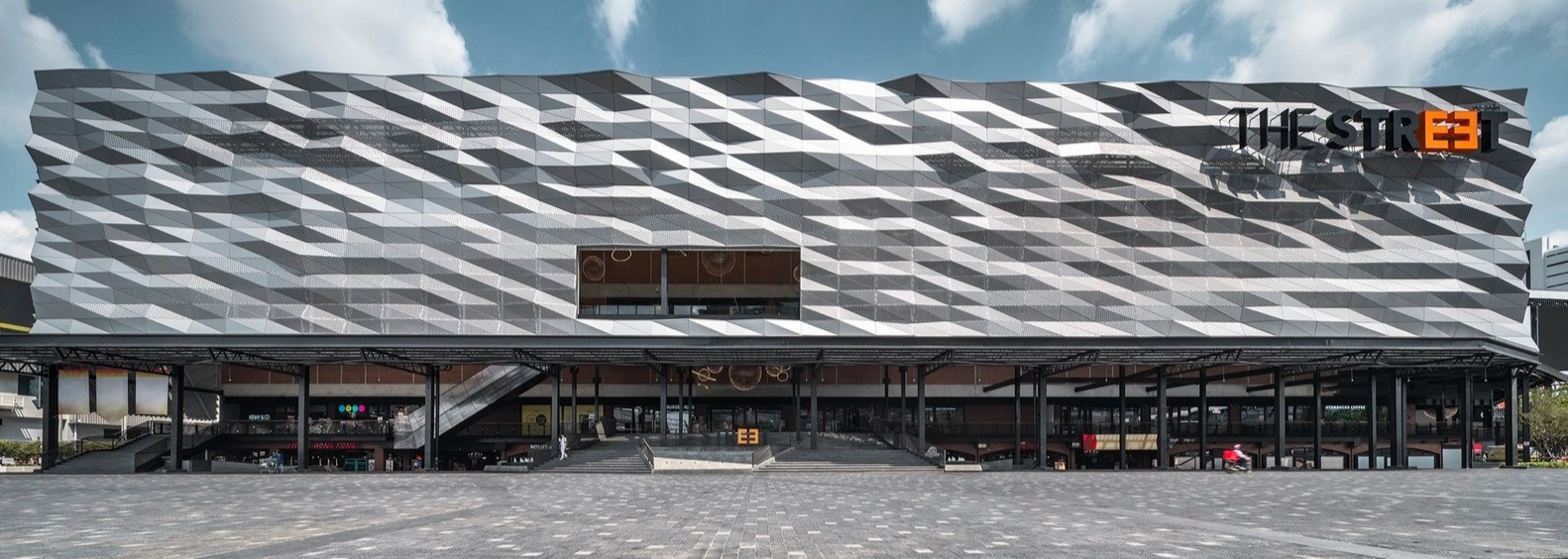
Project Name - The Street Ratchada
Architecture Firm – ArchitectKidd
Location – Bangkok, Thailand
Year – 2016
link- https://www.architectkidd.com/index.php/2017/04/permeable-shopping-center/
Parametric decode is a computational exercise focused on analyzing the generative logic behind complex architectural forms. Through the identification of governing parameters, geometric relationships, and algorithmic operations—implemented using tools such as Grasshopper—the form is systematically deconstructed and reconstructed through iterative workflows. The methodology documented in this study has been independently developed by Infinite dimensions for research purposes; all parametric definitions and diagrams are original interpretations and do not reflect or replicate the original design scripts or drawings of the project’s authors.
Design Intent & Functionality
The facade of The Street Ratchada becomes a mediator between the developing urban conditions and traditionally planned interiors. the design aimed to create a more dynamic presence as well as to allow everyday life to permeate through into the building. Upon first impression, the continuous metallic surface seems to convey a monumental presence, but it is actually a porous layer composed of triangulated slivers that are uniquely sized and cut.
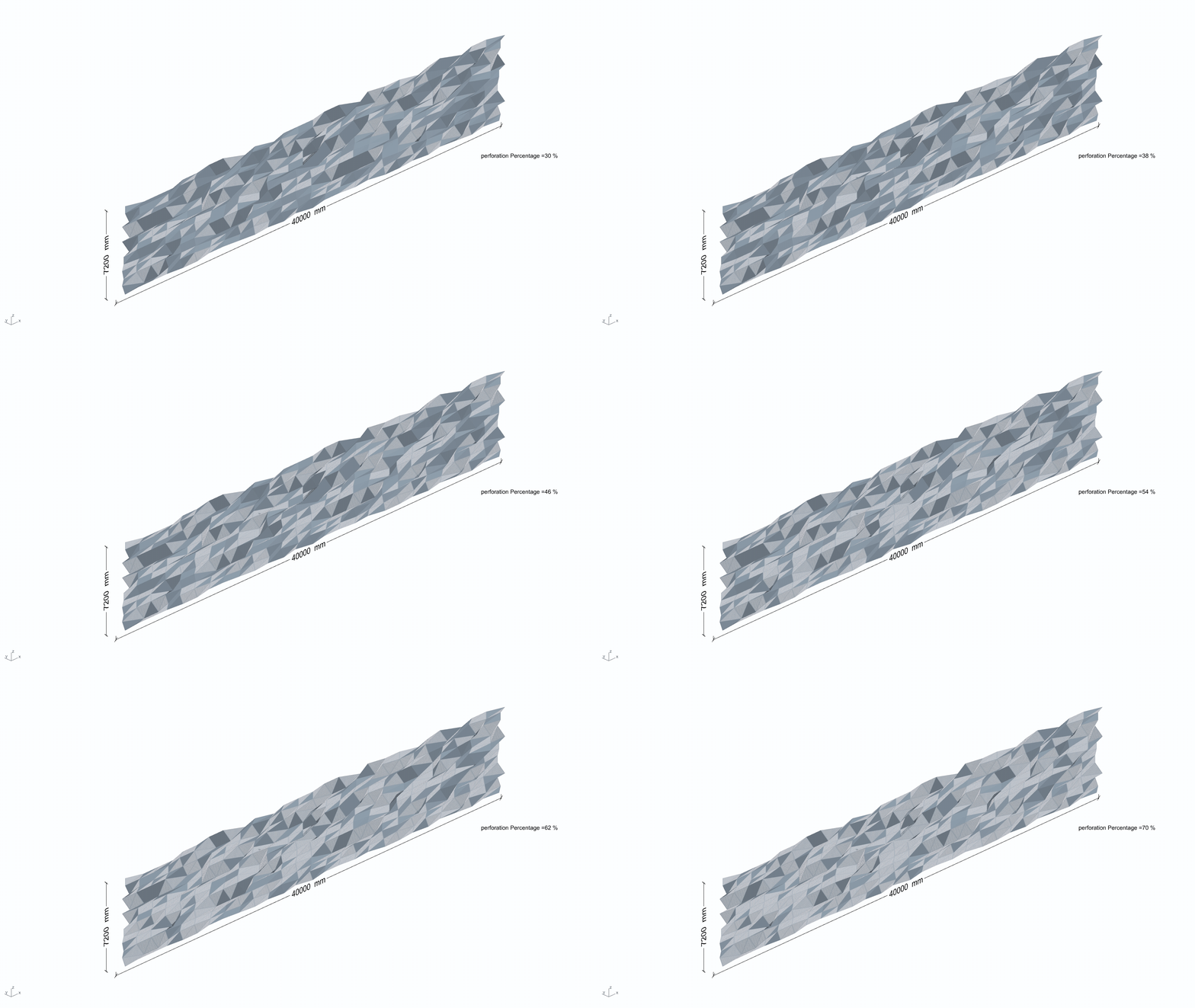
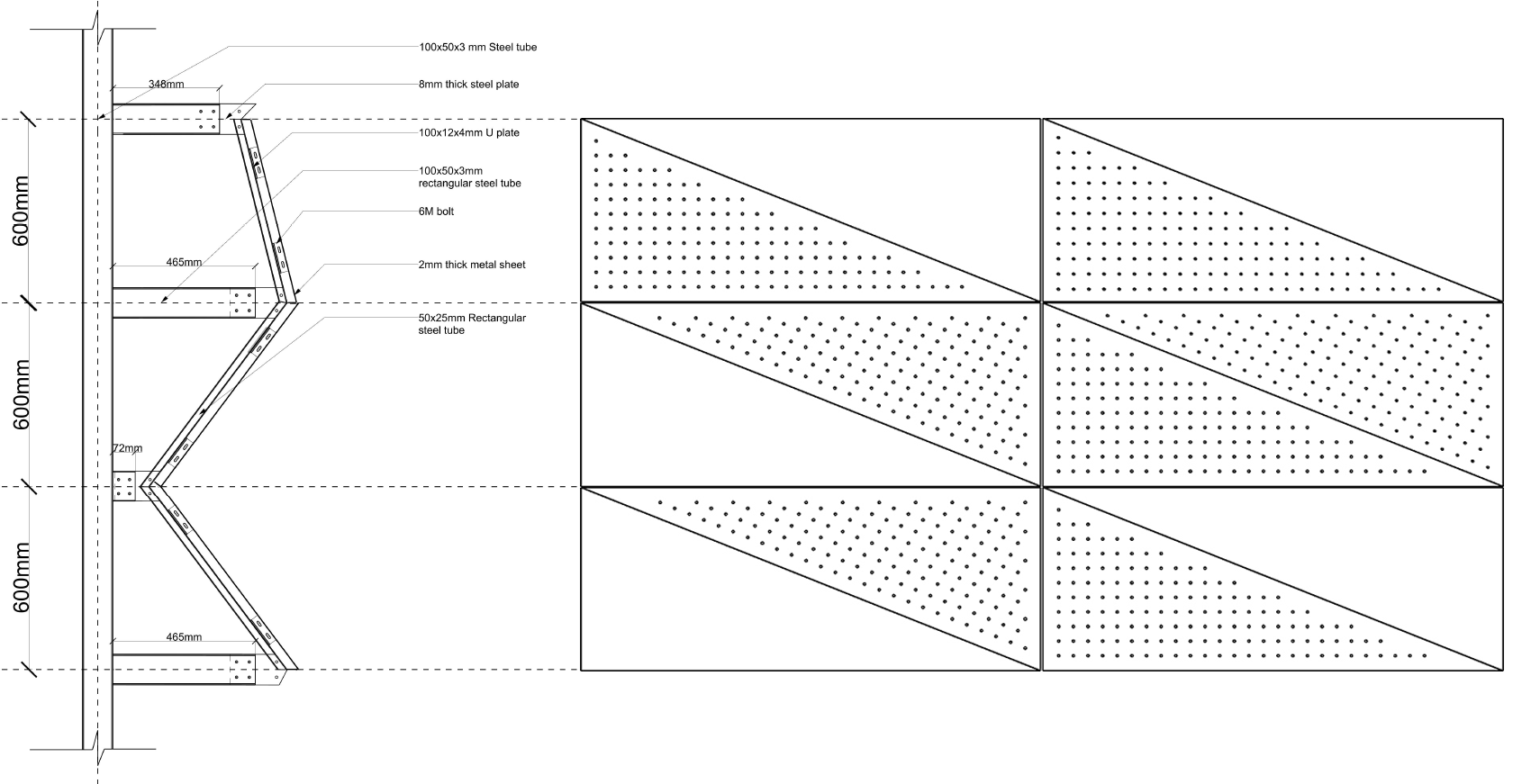
Functionally, gradient transparencies of the perforated panels provide natural ventilation and reflect changing lighting conditions.it also makes use of Thailand’s traditions in metal work to overcome budgetary and fabrication constraints. Digital design combined with local fabrication was utilized to create a building that possesses technological and crafted qualities.
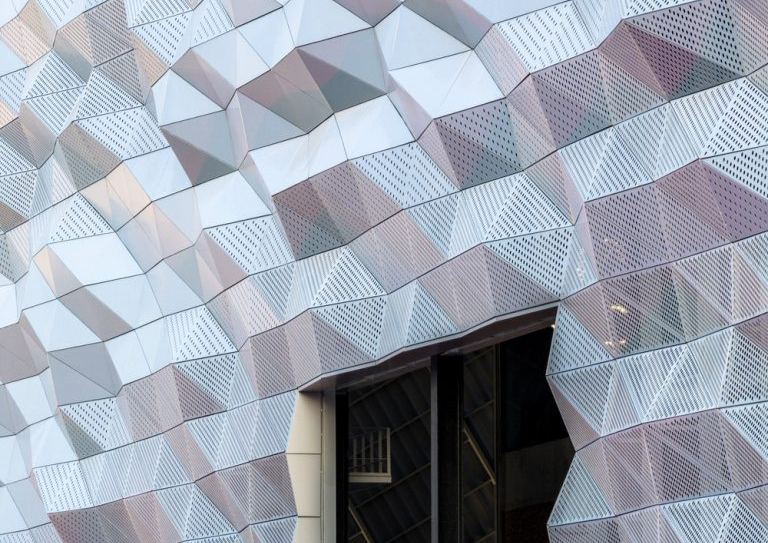
Source: Source: Architectkidd – The street Ratchada
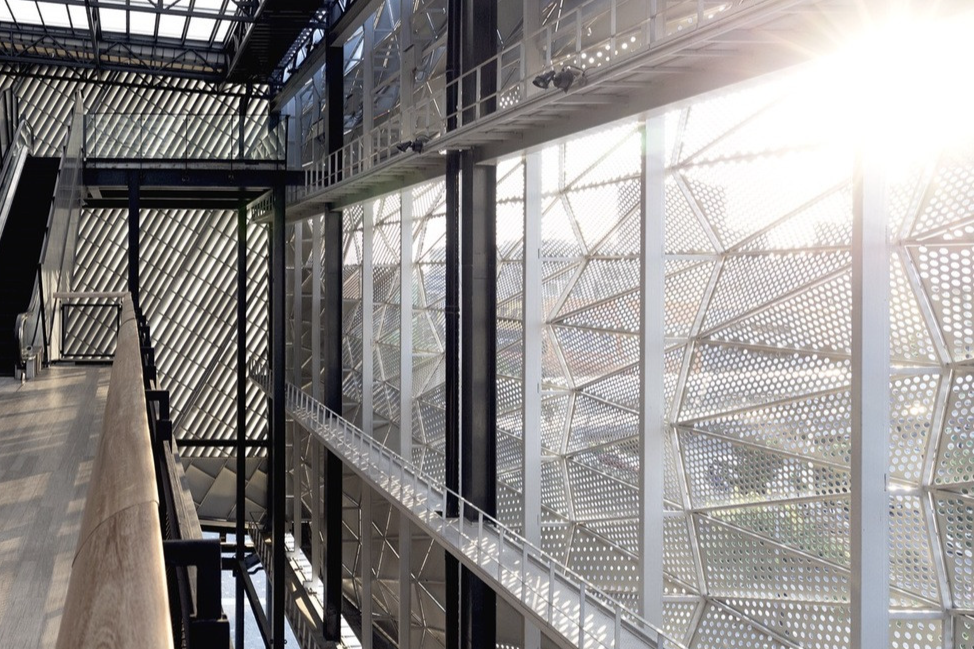
Source: Source: Archdaily – The Street Rathcada
Parameter Controls
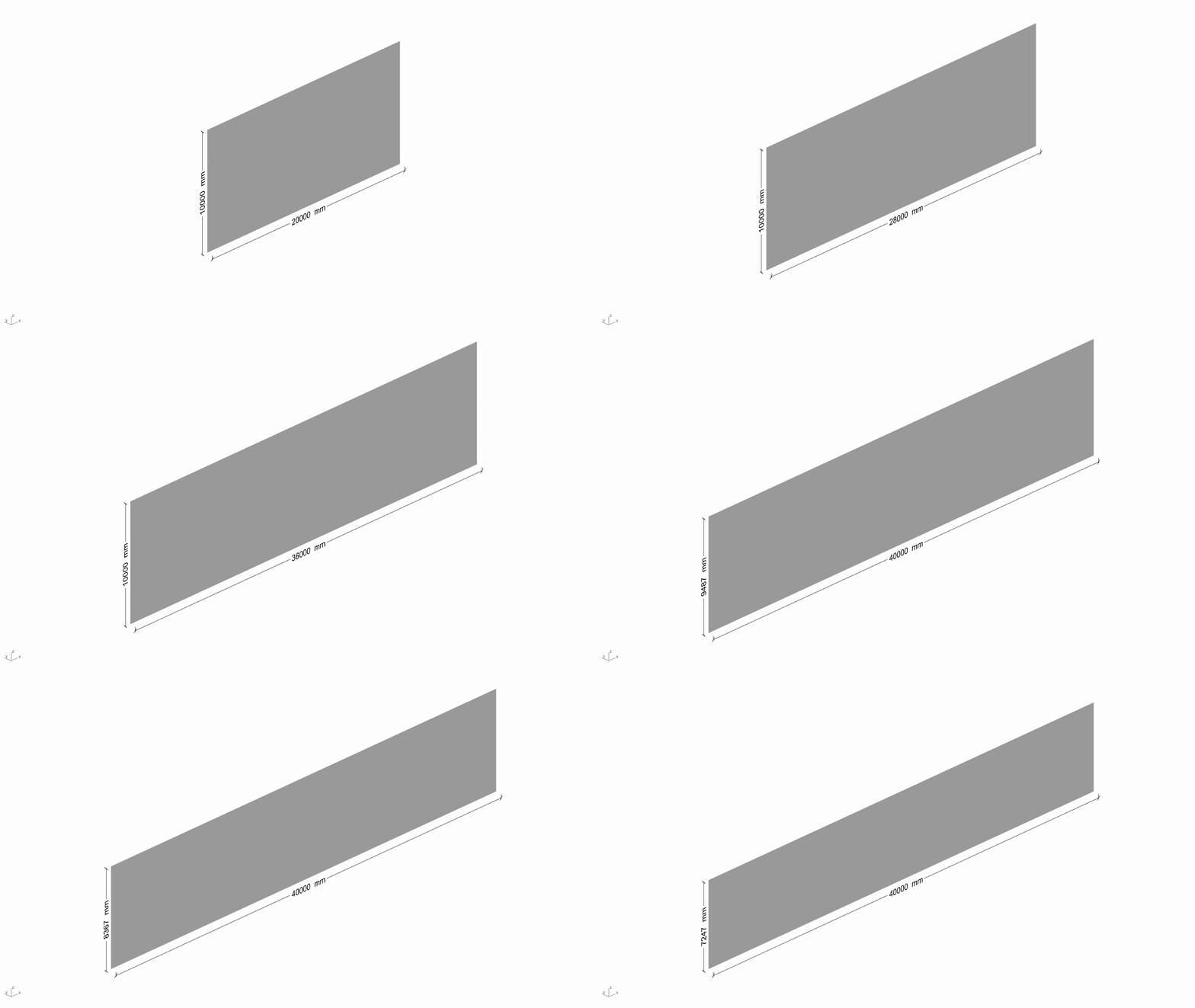
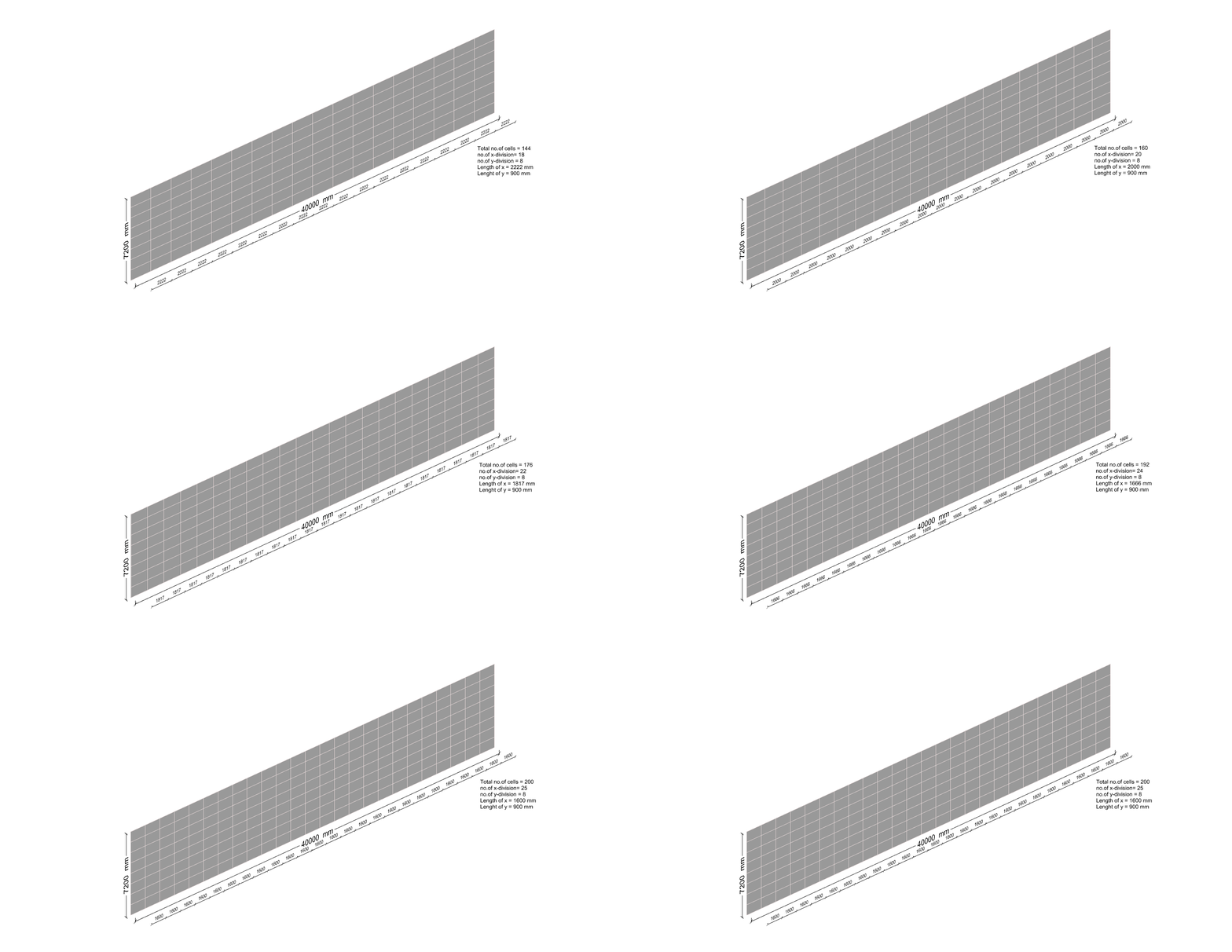
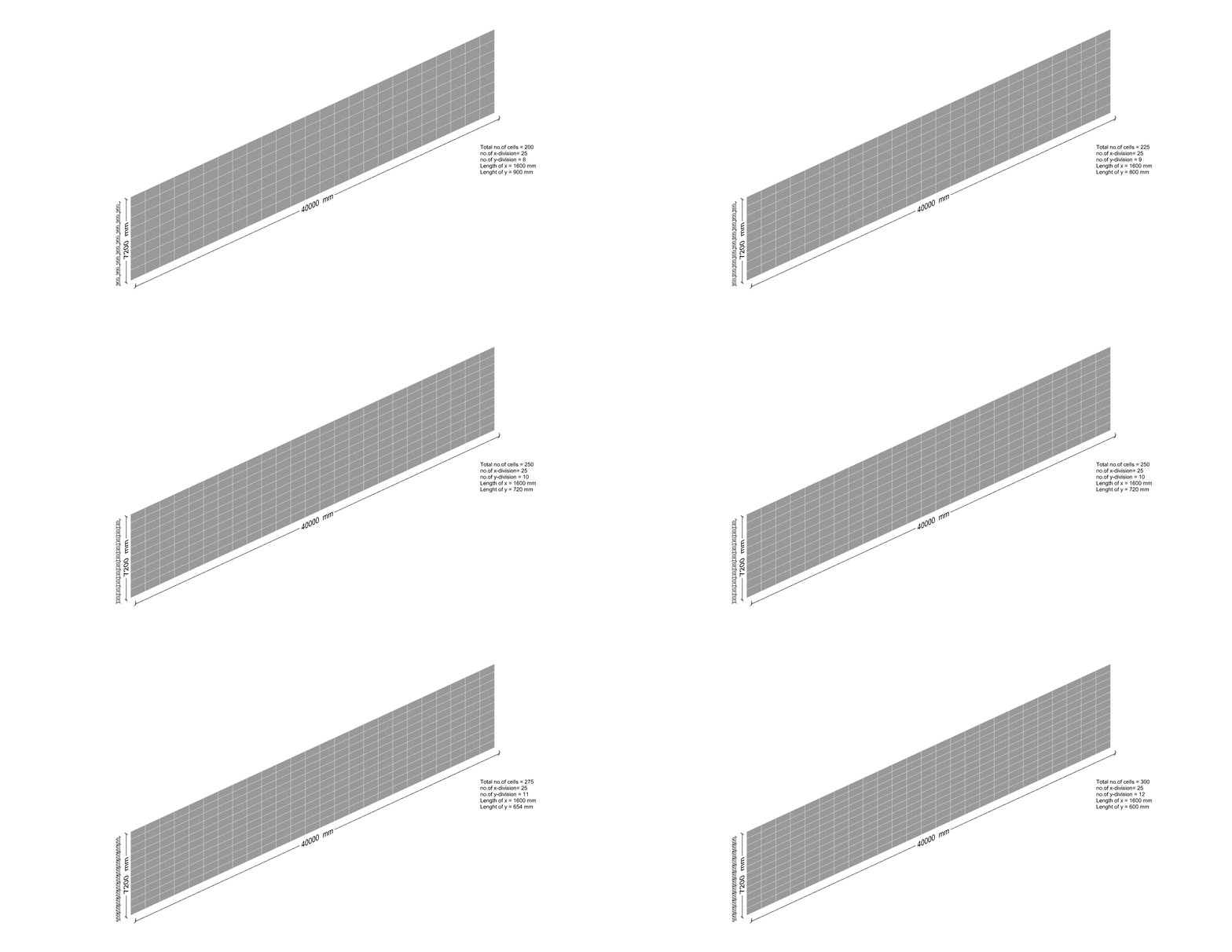
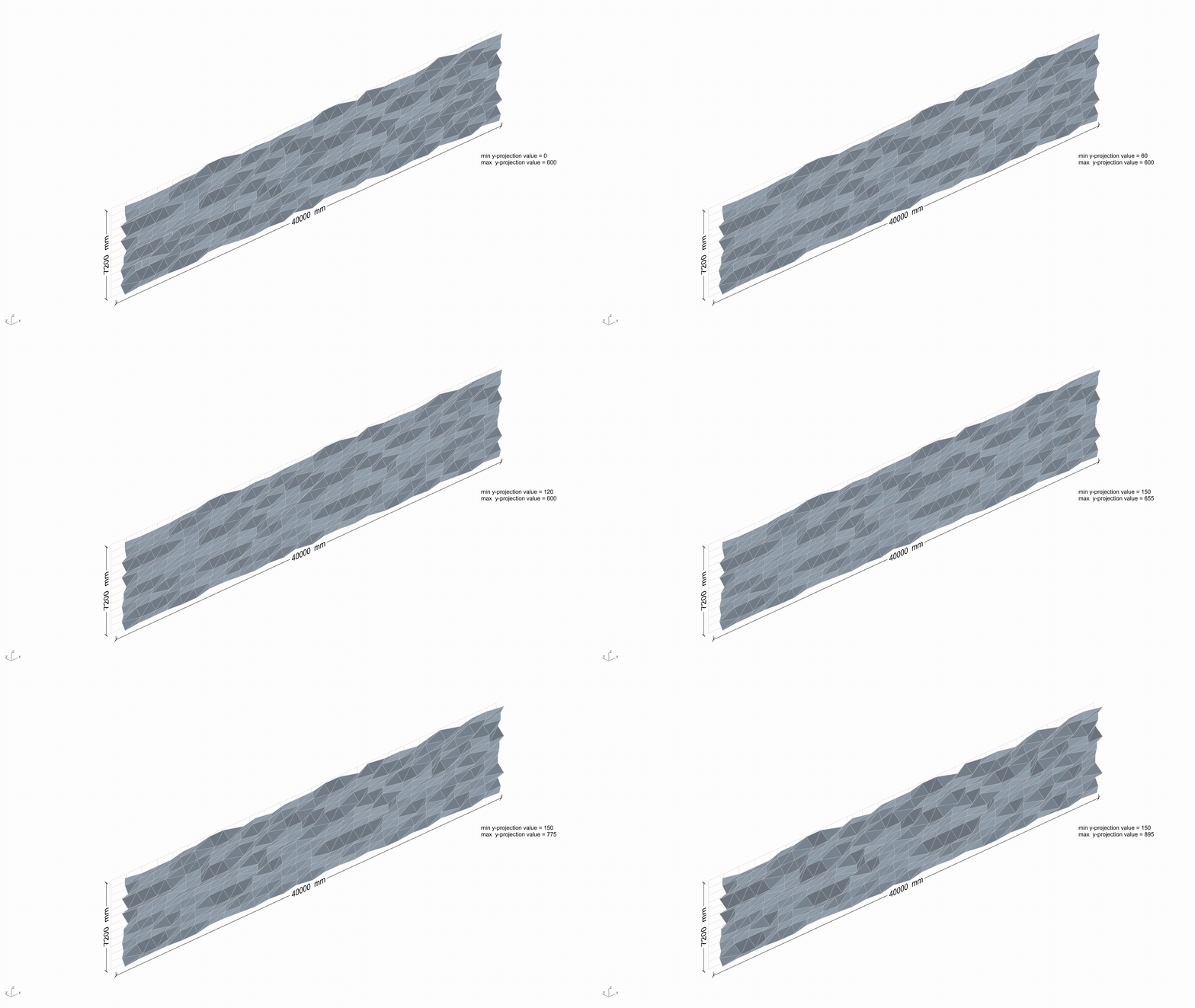
Façade System Analysis
Design Iteration

Assembly Sequence

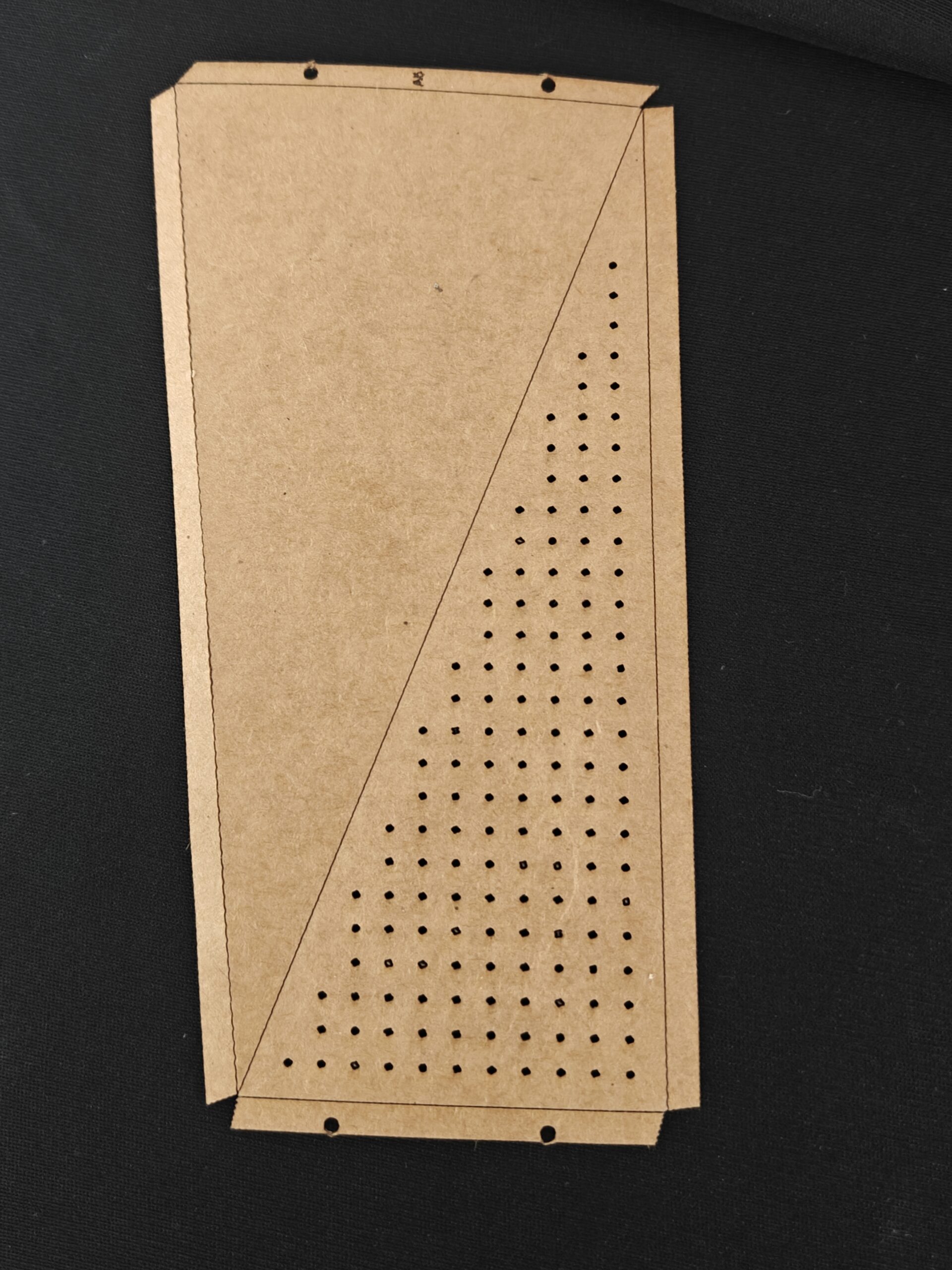
Physical prototype
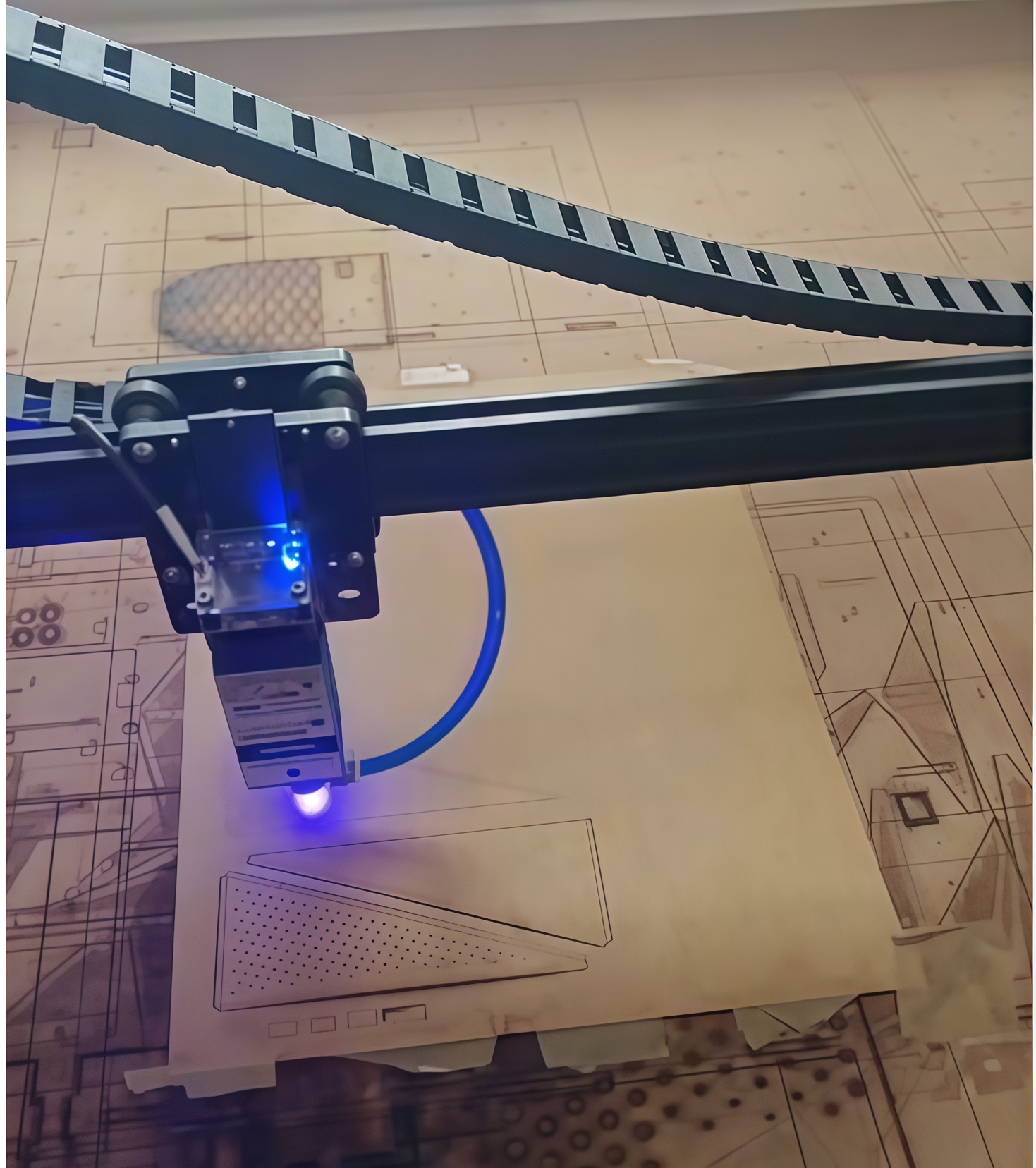
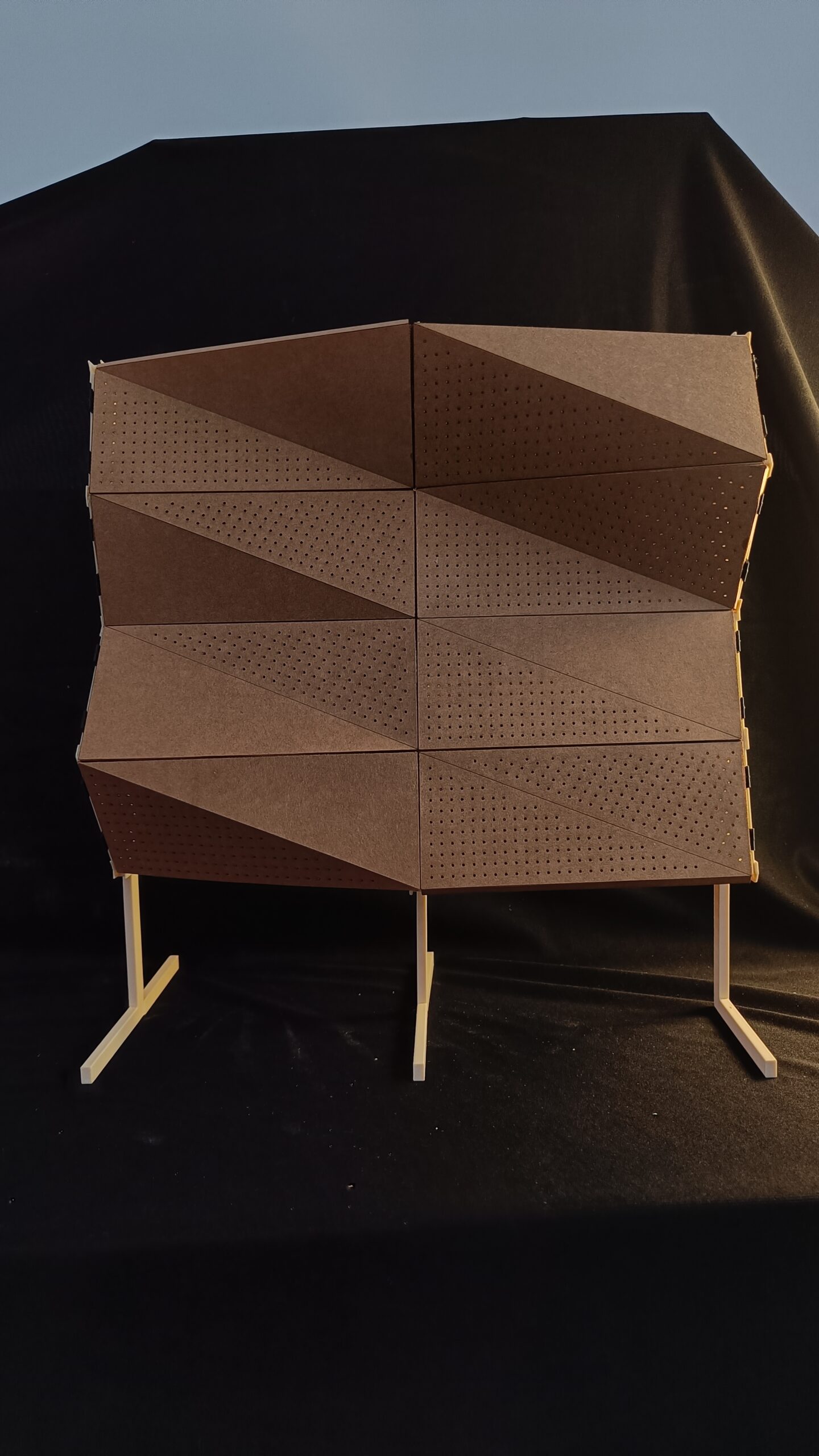
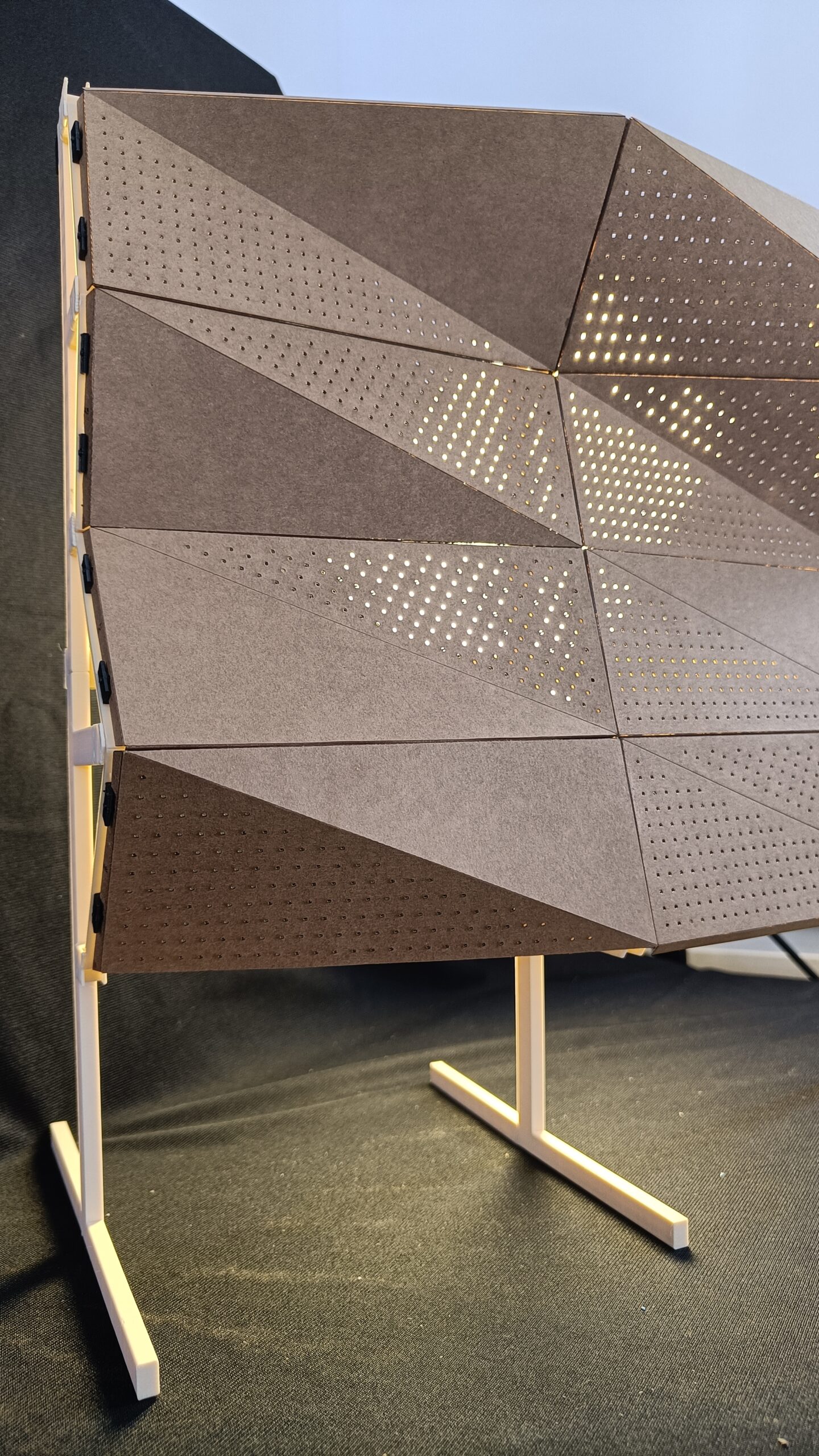
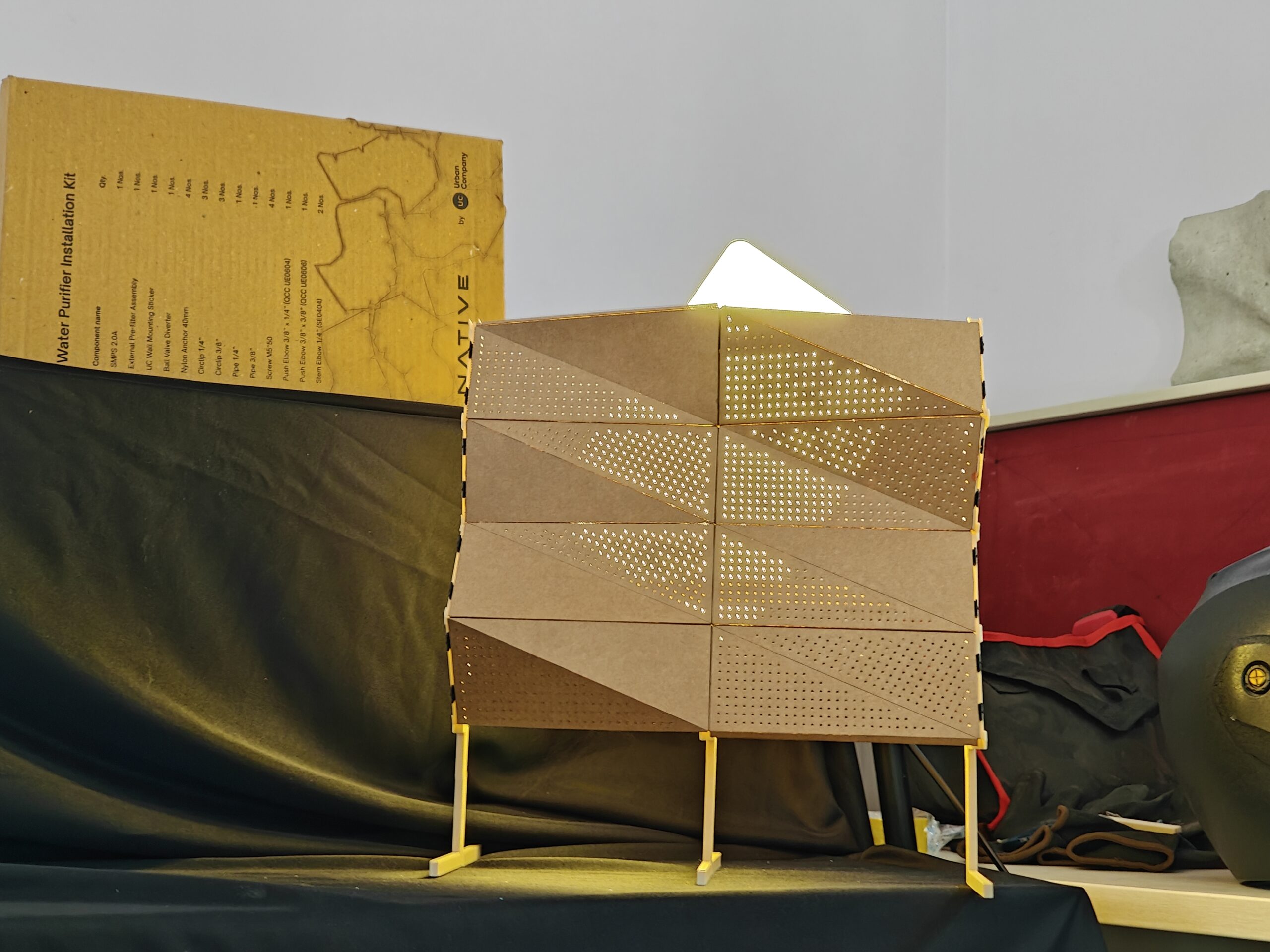
After decoding the panel system, the façade was reconstructed as a fully parametric model. The logic derived from the reference was translated into controllable parameters, allowing panel dimensions, orientation, and perforation patterns to vary based on defined inputs. The panels were fabricated using laser cutting, while custom connectors and supports were produced through 3D printing. The physical prototype shown here represents the outcome of this process—an interpretation generated through parametric control rather than direct replication.